ATEX approved means a piece of equipment has been certified under the EU ATEX directive (2014/34/EU) as safe to use in a potentially explosive atmosphere, where flammable gas, vapour or dust could be ignited by a spark or a hot surface. For telemetry and IIoT hardware, it decides where sensors and gateways can be installed.
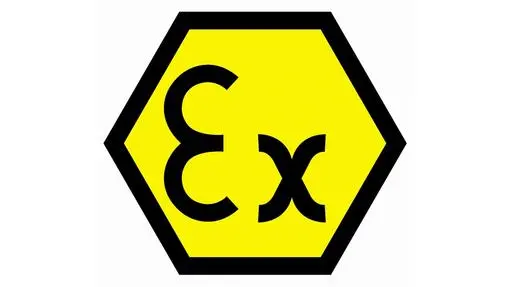
When specifying electronic hardware, telemetry gateways, or IIoT (Industrial Internet of Things) sensors for marine bunkering areas, engine rooms, offshore assets, or industrial land facilities, safety compliance dictates equipment choice. Among the various industrial ratings stamped on hardware enclosures, the term ATEX approved is one of the most critical for hazardous operating environments.
Understanding what ATEX approved equipment means in practice, and why it is non-negotiable when monitoring assets near flammable gases, vapours, or combustible dusts, is essential for engineering and operations teams designing telemetry networks.
The acronym ATEX derives from the French Atmosphères Explosibles. It refers to two EU (European Union) directives that govern equipment and workplace safety standards in environments where explosive atmospheres may occur:
For a piece of hardware (such as a fuel level sensor, vibration transmitter, or remote telemetry terminal) to be ATEX approved, it must undergo independent testing to show it cannot ignite surrounding flammable gases, mists, or dust clouds under defined operating conditions.
To eliminate ignition risks, ATEX hardware utilises specific engineering design techniques:
To select the correct ATEX approved device, operators must first classify site hazards into specific operational zones. These zones reflect the likelihood and duration of an explosive atmosphere's presence.
| Hazard Type | Zone | Risk Frequency | Equipment Category Requirement |
| Gases / Vapours / Mists | Zone 0 | Continuous, long-term, or frequent | Category 1G (Highest protection, Ex ia) |
| Zone 1 | Likely during normal operation | Category 2G (High protection, Ex d, Ex ib) | |
| Zone 2 | Unlikely; short duration if present | Category 3G (Normal protection, Ex ec, Ex ic) | |
| Combustible Dusts | Zone 20 | Continuous, long-term, or frequent | Category 1D |
| Zone 21 | Likely during normal operation | Category 2D | |
| Zone 22 | Unlikely; short duration if present | Category 3D |
For a fuller guide to each zone, how zones are matched to equipment categories and how to read an ATEX marking, see ATEX zones explained.
In remote asset monitoring platforms such as AST Reygar’s BareFLEET (maritime telemetry) and ASTSPARC (industrial land IIoT), deploying sensors into hazardous areas requires a clear boundary between hazardous and non-hazardous zones.
For instance, fuel tank level sensors, methanol fuel line pressure transducers, or fuel bunkering flow meters are often located in Zone 1 or Zone 2 areas. Connecting these sensors to a central telemetry unit requires galvanically isolated intrinsically safe (IS) barriers or ATEX-certified digital interfaces.
By placing ATEX approved sensors directly at the point of measurement, operators gain continuous digital visibility over critical asset parameters without compromising vessel or facility safety standards.
When inspecting certified telemetry components, the ATEX marking string details exact protection limits. A typical ATEX certification label includes:
Deploying non-certified or improperly rated sensors in hazardous spaces invalidates insurance coverage, compromises flag state compliance, and introduces serious operational risks.
Using ATEX approved sensing hardware backed by robust remote monitoring frameworks, like BareFLEET and ASTSPARC, allows commercial operators to capture vital fuel, machinery, and environmental metrics safely.
Need to configure an ATEX-compliant telemetry architecture for your vessel or remote assets?
Ask an expert
Whether you are looking at fuel monitoring, maintenance, vessel performance or remote asset monitoring, our team will give you a straight answer. We usually reply within one working day.

