ATEX zones describe how likely an explosive atmosphere is to be present in a workplace. Gas and vapour areas are classed as Zone 0, 1 or 2, and dust areas as Zone 20, 21 or 22, with Zone 0 and Zone 20 the highest risk.
The zone decides which equipment can be installed there. This guide explains each zone, how zones are matched to equipment categories, how to read an ATEX marking and what it means for monitoring assets in hazardous areas.
ATEX comes from the French "atmosphères explosibles".
An explosive atmosphere forms when flammable gas, vapour, mist or dust mixes with air in the right concentration, so a spark or hot surface could ignite it.
Sites such as fuel depots, refineries, chemical plants, mines, grain stores and offshore installations divide their hazardous areas into zones according to how often, and for how long, an explosive atmosphere is likely to be present.
In Great Britain, the Dangerous Substances and Explosive Atmospheres Regulations 2002 (DSEAR) make it a legal requirement to carry out a hazardous area study and record the results as zones (HSE). Across the EU, the same zone system comes from the ATEX Workplace Directive 1999/92/EC.
| Zone | Definition | Typical examples |
|---|---|---|
| Zone 0 | An explosive gas atmosphere is present continuously or for long periods | Inside fuel and chemical storage tanks, inside process vessels |
| Zone 1 | An explosive gas atmosphere is likely to occur in normal operation | Around tank vents, fuel filling points and pump seals |
| Zone 2 | An explosive gas atmosphere is not likely to occur in normal operation, and if it does, it lasts only a short time | Areas around flanges, valves and fittings, and the outer edge of a Zone 1 area |
Dust zones follow the same pattern as gas zones, with combustible dust clouds in place of gas (HSE).
Every piece of equipment used in a hazardous area must be certified for the zone it is installed in. ATEX groups equipment into categories, and each category is suitable for particular zones (HSE):
| Equipment category | Level of protection | Suitable for | Example protection types |
|---|---|---|---|
| Category 1 | Very high | Zones 0 and 20 (and lower-risk zones) | Intrinsic safety "ia" |
| Category 2 | High | Zones 1 and 21 (and Zones 2 and 22) | Flameproof "d", pressurised "p", increased safety "e" |
| Category 3 | Normal | Zones 2 and 22 only | Type "n" for electrical equipment |
Equipment certified for a higher-risk zone can be used in a lower-risk zone, but never the other way round. A Category 2 sensor can go in Zone 2, but a Category 3 sensor cannot go in Zone 1.
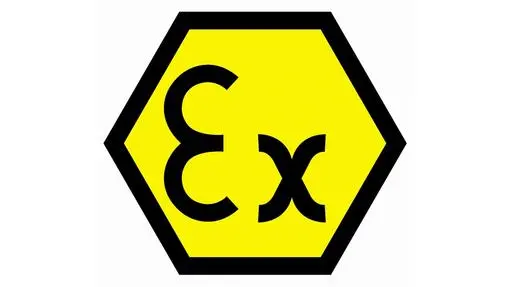
ATEX equipment carries a marking that shows where it can be used. A typical example is Ex II 2 G Ex db IIB T4 Gb:
In Great Britain, equipment placed on the market falls under the UK's own explosive atmospheres equipment rules, known as UKEX, which mirror the EU ATEX Equipment Directive.
Fuel tanks, generators, pumps and pipelines often sit in or next to hazardous areas, which makes them expensive and risky to inspect in person. Remote monitoring reduces how often people need to enter these zones.
Sensors such as fuel tank level probes and pressure transducers are often installed in Zone 1 or Zone 2. They connect to a telemetry unit in a safe area through intrinsically safe barriers or ATEX-certified interfaces, so live readings can be checked from anywhere. ASTSPARC brings that data together for remote sites, alongside remote generator monitoring and remote asset monitoring.
For more on certification, read what ATEX approved means for telemetry and IIoT.
In Zone 1, an explosive atmosphere is likely to occur during normal operation. In Zone 2, it is not likely in normal operation, and if it does occur it only lasts a short time. Zone 1 needs equipment of category 2 or higher, while Zone 2 can use category 3 equipment.
Zone 0 is the highest-risk gas zone, where an explosive atmosphere is present continuously or for long periods, such as inside a fuel tank. Only category 1 equipment, such as intrinsically safe "ia" devices, can be used there.
Yes. Equipment certified for a higher-risk zone can be used in a lower-risk zone, so category 2 equipment suitable for Zone 1 can also be used in Zone 2.
The employer or site operator is responsible. In Great Britain, DSEAR requires them to assess the risk, classify hazardous areas into zones and make sure the equipment in each zone is suitable.
To discuss monitoring assets in hazardous areas, contact the ASTSPARC team.
Ask an expert
Whether you are looking at fuel monitoring, maintenance, vessel performance or remote asset monitoring, our team will give you a straight answer. We usually reply within one working day.

