A marine fuel monitoring system measures how much fuel a vessel burns in real time and links it to speed, engine load and position, so crews and shore teams can see exactly where fuel goes and how to use less.
This guide is for vessel operators and fleet managers.
It covers how these systems work, what to measure, where the savings come from and what to look for when choosing one.
A marine fuel monitoring system collects fuel consumption data from each engine, combines it with the vessel's speed and operating data, and presents it on board and ashore.
Instead of a single figure from bunker receipts or tank soundings at the end of the week, operators see consumption trip by trip, hour by hour and engine by engine.
Most systems have three parts:
The measures that drive decisions are:
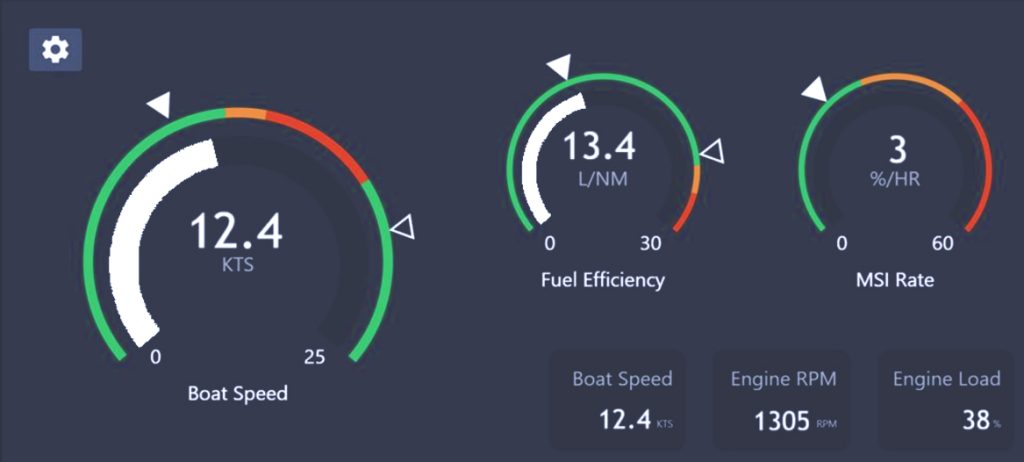
Fuel monitoring saves money by changing how vessels are run. The main levers are:
Fuel monitoring works best when the crew and the shore team see the same data. With BareFLEET, crews get live fuel insights on board through the Fuel UI app, which shows when the vessel is running in its most efficient green zone.
Managers see fleet-wide performance on one dashboard, compare sister vessels and set speed guidance from real data.

The same data supports reporting. Charterers increasingly ask for fuel and emissions figures, and offshore ships over 400 GT have had to report emissions under the EU MRV regulation since January 2025. Measured fuel gives a far more reliable basis for CO₂ reporting than estimates.
Questions worth asking any supplier:
On that last point, AST Reygar's data consultancy service works with vessel owners to turn monitoring data into specific fuel reduction opportunities based on each vessel's operating profile.
Cross-Solent ferry operator Red Funnel installed BareFLEET on Red Kestrel, its first dedicated Ro-Ro freight ferry, to monitor fuel efficiency and support predictive maintenance. Read the Red Funnel case study, or see how BareFLEET is used on crew transfer vessels and service operation vessels.
For more on reducing fuel use across a fleet, see vessel performance monitoring and fleet fuel management.
Most systems use fuel flow meters on the engine supply and return lines, or read fuel and load data directly from the engine's electronics.
The system then combines this with GPS speed and position to calculate fuel per hour and per nautical mile.
It depends on how the vessel is run today. AST Reygar reports that customers can save up to 15% of their fuel bill by monitoring speed alone, and up to 20% with BareFLEET across all operations.
Yes. CO₂ emissions are calculated from the fuel burned, so measured fuel data gives a reliable basis for EU MRV reporting and for the emissions figures charterers ask for.
Yes. BareFLEET is used on vessels from crew transfer vessels and workboats to ferries and service operation vessels.
BareFLEET sends data to shore over satellite or mobile networks. For maritime connectivity, see our sister company AST Networks. To discuss fuel monitoring for your fleet, contact AST Reygar.
Ask an expert
Whether you are looking at fuel monitoring, maintenance, vessel performance or remote asset monitoring, our team will give you a straight answer. We usually reply within one working day.

